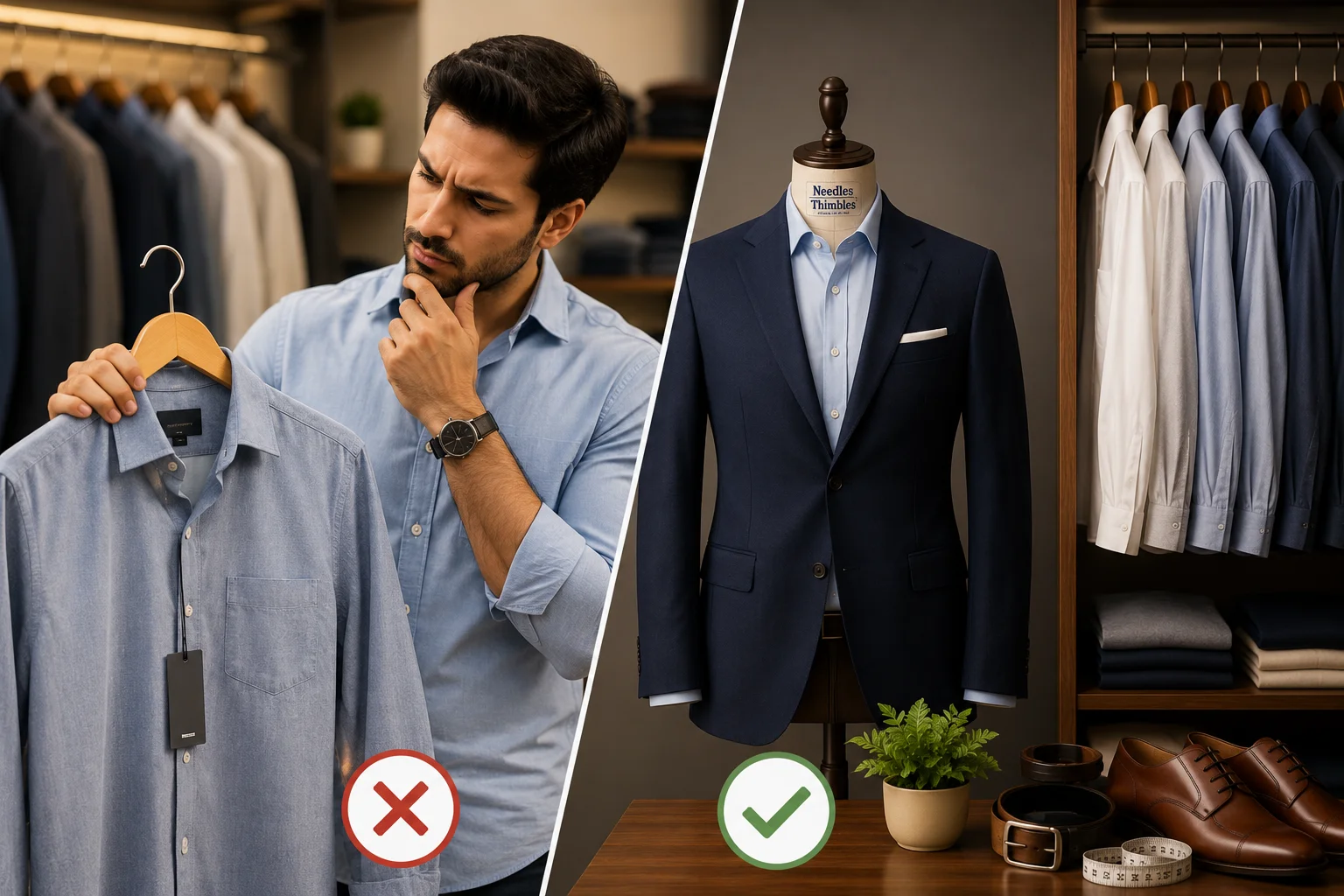
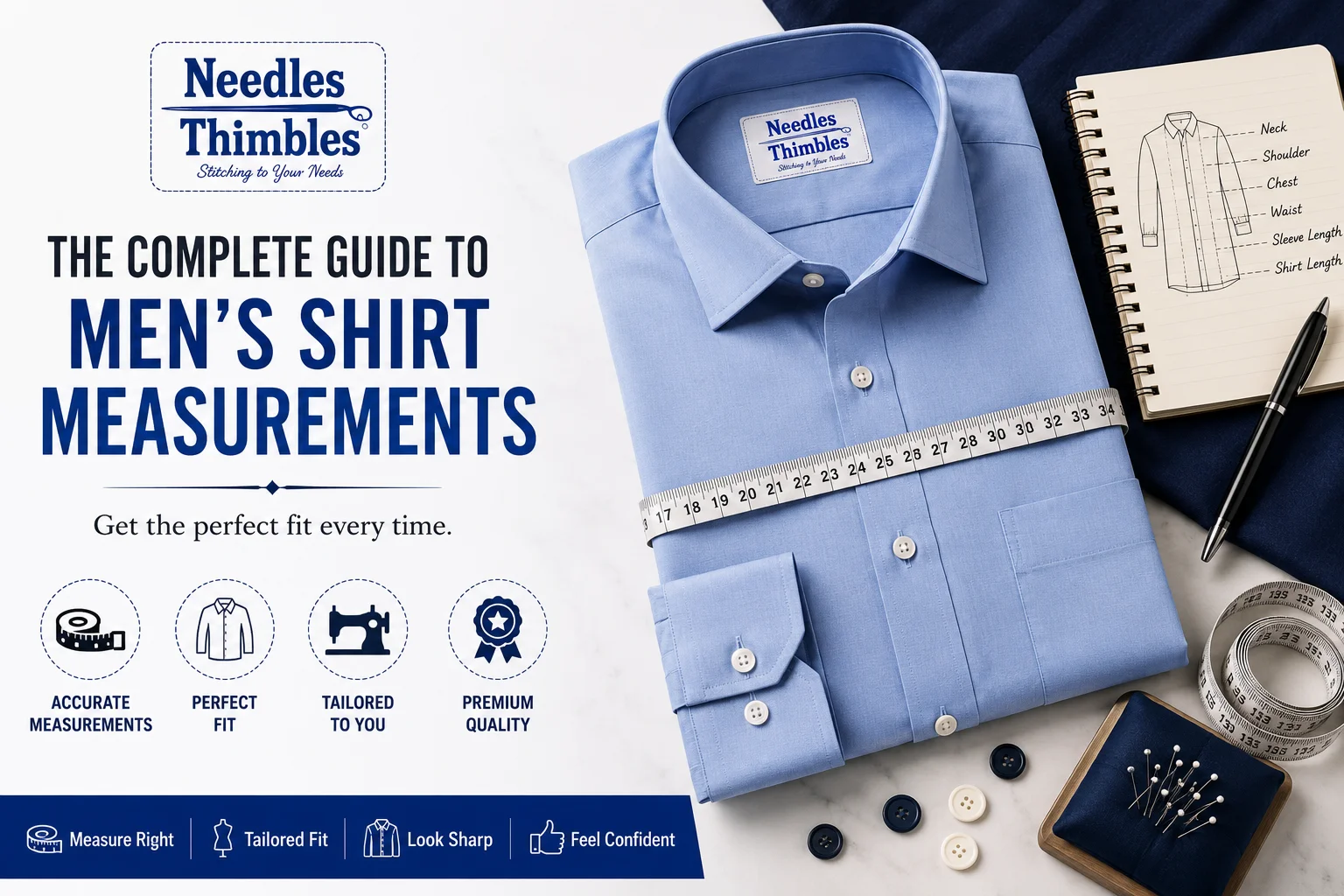
Finding the perfect shirt isn’t just about choosing the right color or fabric—it’s about getting the right fit. Whether you’re buying ready-made shirts, ordering online, or investing in a custom-tailored shirt, knowing your body measurements can save you time, money, and the frustration of wearing an ill-fitting shirt.
A well-fitted shirt enhances your appearance, improves comfort, and gives you confidence in both professional and casual settings. In this guide, we’ll explain everything you need to know about men’s shirt measurements, including how to take each measurement accurately and avoid common sizing mistakes.
Why Accurate Shirt Measurements Matter
Most people assume that if they know their shirt size, they’ll always get a perfect fit. Unfortunately, that’s not how sizing works.
Different brands follow different size charts. A medium shirt from one brand may fit like a large from another. This is especially true when shopping online or buying imported clothing.
Knowing your exact measurements helps you:
- Buy shirts confidently online.
- Get the perfect fit every time.
- Reduce returns and exchanges.
- Improve comfort and mobility.
- Get better results from custom tailoring.
Essential Men’s Shirt Measurements
Here are the key measurements every man should know before purchasing or tailoring a shirt.
1. Collar (Neck) Measurement
The collar size determines how comfortably the shirt sits around your neck.
How to Measure
- Wrap a measuring tape around the base of your neck.
- Keep one finger between the tape and your neck for comfort.
- Do not pull the tape tightly.
Pro Tip:
If you frequently wear ties, leave just enough room so the collar feels comfortable when buttoned.
2. Shoulder Width
Shoulders play a major role in how structured a shirt looks.
How to Measure
Measure from the outer edge of one shoulder bone to the other across your upper back.
A shirt with correctly fitted shoulders will have the shoulder seam ending exactly where your shoulder naturally ends.
3. Chest Measurement
The chest measurement determines how fitted or relaxed the shirt feels.
How to Measure
- Stand naturally.
- Wrap the measuring tape around the fullest part of your chest.
- Keep the tape parallel to the ground.
- Do not puff out your chest.
For a comfortable fit, add approximately 2–4 inches depending on your preferred style.
4. Waist Measurement
The waist measurement helps create a clean silhouette.
How to Measure
Measure around your natural waist while standing comfortably.
Slim-fit shirts generally have a more tapered waist, while regular-fit shirts provide extra room.
5. Sleeve Length
Sleeve length is one of the most common fitting issues.
How to Measure
Start from the center back of your neck, measure over your shoulder, down your arm, and finish at the wrist bone.
The cuff should end just above your thumb, allowing about half an inch of your shirt cuff to show under a blazer.
6. Shirt Length
Shirt length determines whether the shirt stays tucked in comfortably.
How to Measure
Measure from the highest point of the shoulder down to where you want the shirt to end.
For formal shirts, the length should be enough to remain tucked in throughout the day.
7. Bicep Measurement
Men with athletic builds often overlook this measurement.
Measure around the widest part of your upper arm while keeping the muscles relaxed.
This prevents sleeves from feeling too tight.
8. Wrist Measurement
Measure around your wrist where the cuff normally sits.
Leave enough room for comfort without making the cuff loose.
Men’s Shirt Measurement Chart (Reference)
| Measurement | Average Size Range |
|---|---|
| Collar | 14″–18″ |
| Chest | 36″–48″ |
| Waist | 30″–44″ |
| Shoulder | 16″–20″ |
| Sleeve Length | 32″–37″ |
| Shirt Length | 28″–34″ |
Note: Measurements vary depending on brand, fit, and tailoring preferences.
Slim Fit vs Regular Fit vs Relaxed Fit
Slim Fit
- Tapered waist
- Narrow sleeves
- Modern appearance
- Best for lean body types
Regular Fit
- Comfortable movement
- Balanced silhouette
- Suitable for everyday office wear
Relaxed Fit
- Extra room across chest and waist
- Maximum comfort
- Ideal for casual wear
Common Shirt Measurement Mistakes
Many people accidentally take incorrect measurements. Avoid these common mistakes:
- Measuring over bulky clothing.
- Pulling the tape too tightly.
- Standing in an unnatural posture.
- Ignoring shoulder width.
- Guessing sleeve length.
- Using an old shirt that has stretched over time.
Tips for Getting the Perfect Shirt Fit
- Always use a flexible measuring tape.
- Measure while wearing a lightweight T-shirt or no shirt.
- Ask someone to help with shoulder and sleeve measurements.
- Measure twice to ensure accuracy.
- Compare your measurements with the brand’s size chart before ordering.
Why Custom Tailored Shirts Are Worth It
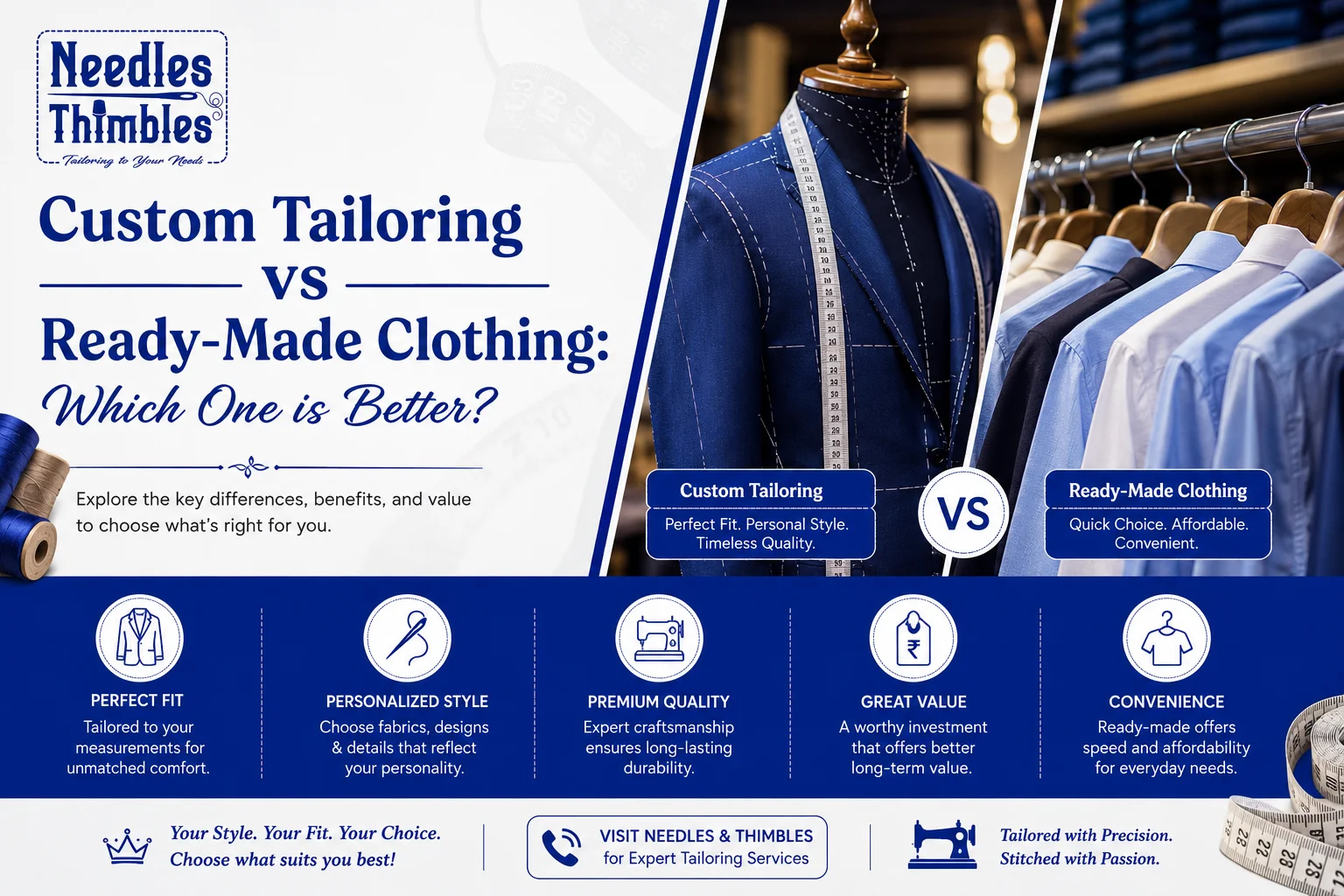
While ready-made shirts work for many people, custom tailoring offers a completely different experience.
A custom-made shirt is designed specifically for your body, ensuring better comfort, improved posture, and a more polished appearance. Every detail—from collar style and cuff design to sleeve length and fit—is made according to your preferences.
If you wear formal shirts regularly for work, weddings, or business meetings, investing in tailored shirts is often more economical in the long run because they fit better and last longer.
Frequently Asked Questions
How do I measure my shirt size at home?
Use a soft measuring tape to measure your neck, chest, shoulders, waist, sleeve length, and shirt length. Compare these measurements with the size chart provided by the brand.
What is the most important shirt measurement?
Collar, chest, shoulder width, and sleeve length are the most important measurements for achieving a comfortable fit.
Should I measure my body or an existing shirt?
Both methods work. Measuring your body provides greater accuracy for custom tailoring, while measuring a shirt that fits well is useful when ordering similar styles.
How often should I remeasure myself?
It’s a good idea to check your measurements every 6–12 months or after any noticeable weight change.
Final Thoughts
The difference between an average shirt and one that looks exceptional often comes down to accurate measurements. Taking a few extra minutes to measure your collar, shoulders, chest, waist, sleeves, and shirt length can dramatically improve how your clothes fit and feel.
Whether you’re shopping online, buying off the rack, or ordering a custom-tailored shirt, understanding men’s shirt measurements ensures you make better purchasing decisions and enjoy a polished, confident look every time.