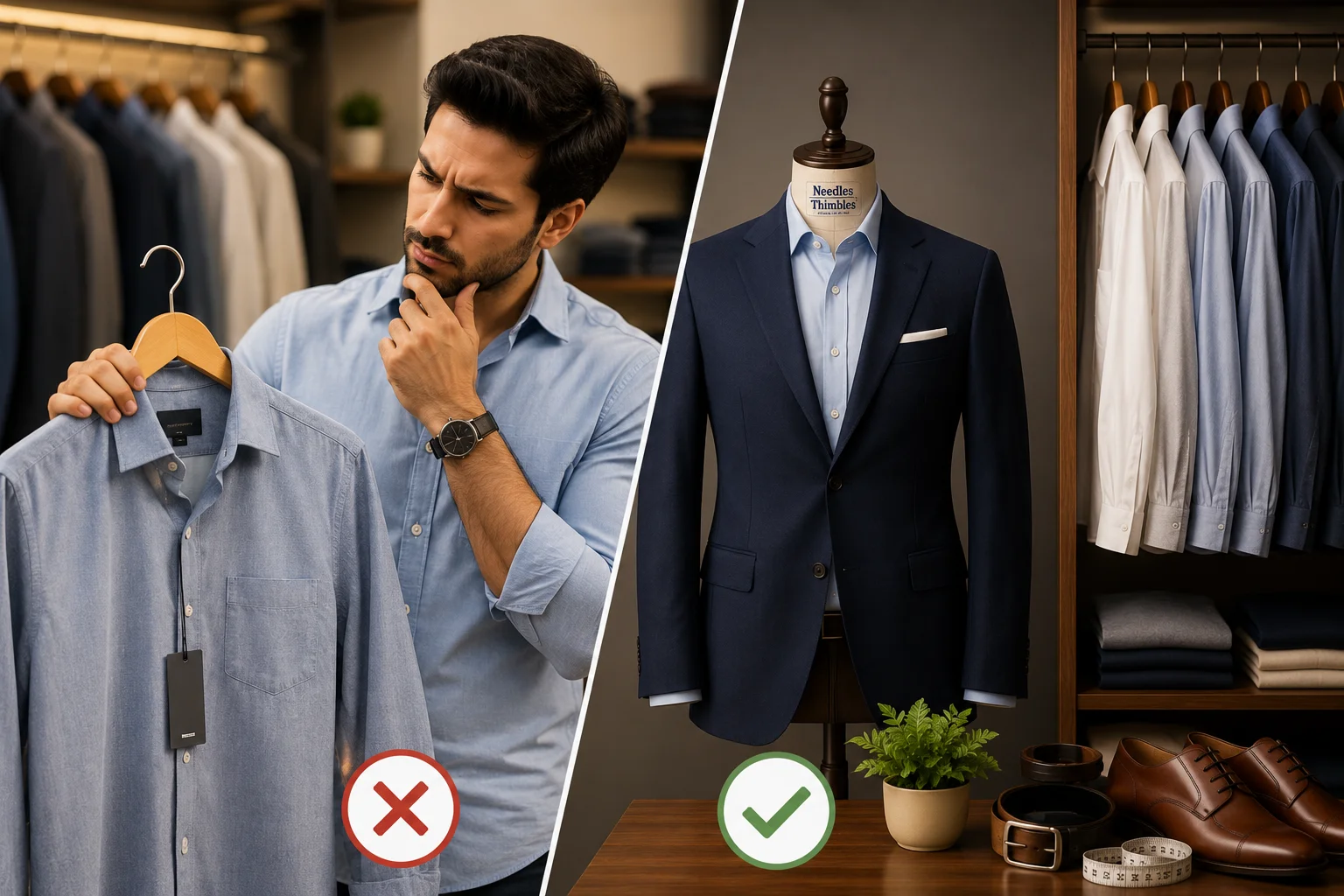
Buying ready-made clothes is quick, convenient, and often budget-friendly. However, many men end up with wardrobes full of clothes they rarely wear because they overlook a few important details while shopping. A shirt may look great on the hanger or in an online catalog, but that doesn’t always mean it will fit well or complement your body type.
If you’ve ever purchased a shirt, blazer, or pair of trousers only to regret it later, you’re not alone. Understanding these common mistakes can help you make smarter purchases and build a wardrobe that looks polished and feels comfortable.
1. Buying Based Only on Size Labels
One of the biggest mistakes men make is assuming that every “Medium” or “Large” fits the same.
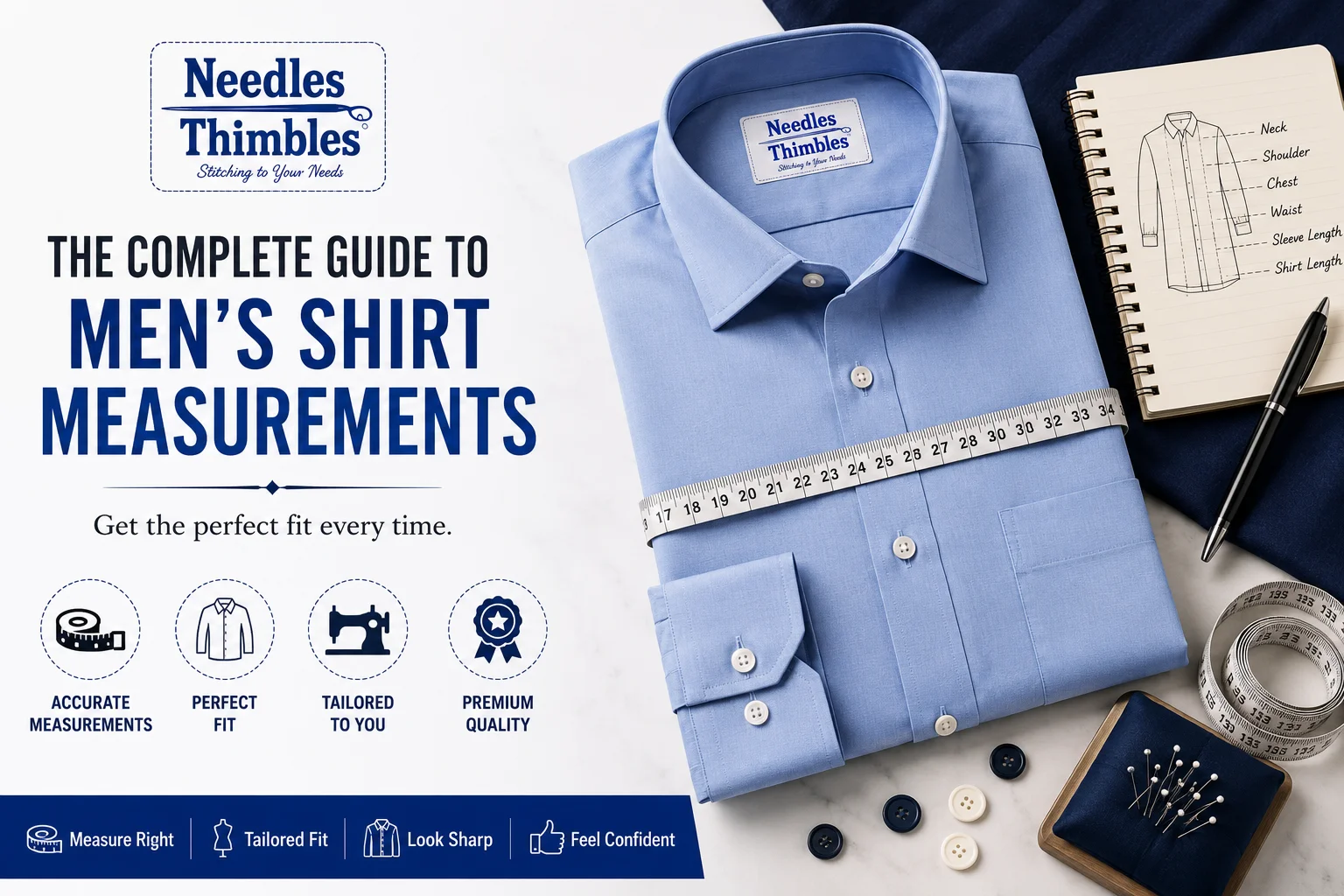
Sizing varies significantly between brands, and even within the same brand, different collections may fit differently. Instead of relying solely on the size label, always check the size chart and compare it with your body measurements.
Pro Tip: Carry your collar, chest, waist, and sleeve measurements on your phone while shopping.
2. Ignoring the Fit
A stylish shirt won’t look good if the fit is wrong.
Many men choose clothes that are either too tight or too loose. Tight clothing restricts movement, while oversized garments create an untidy appearance.
When trying on clothes, check these areas:
- Shoulder seams should align with your shoulders.
- Sleeves should end at your wrist bone.
- The chest should allow comfortable movement.
- The shirt shouldn’t pull around the buttons.
Fit always matters more than the brand name.
3. Choosing Style Over Comfort
Trendy clothing may look appealing, but comfort should never be compromised.
If a shirt feels uncomfortable in the fitting room, it’s unlikely to become more comfortable later. Choose clothes that allow easy movement and suit your daily lifestyle.
Fashion trends come and go, but comfortable clothing is always worth investing in.
4. Overlooking Fabric Quality
Many shoppers focus on color and design while ignoring the fabric.
Quality fabric affects:
- Comfort
- Breathability
- Durability
- Appearance
- Maintenance
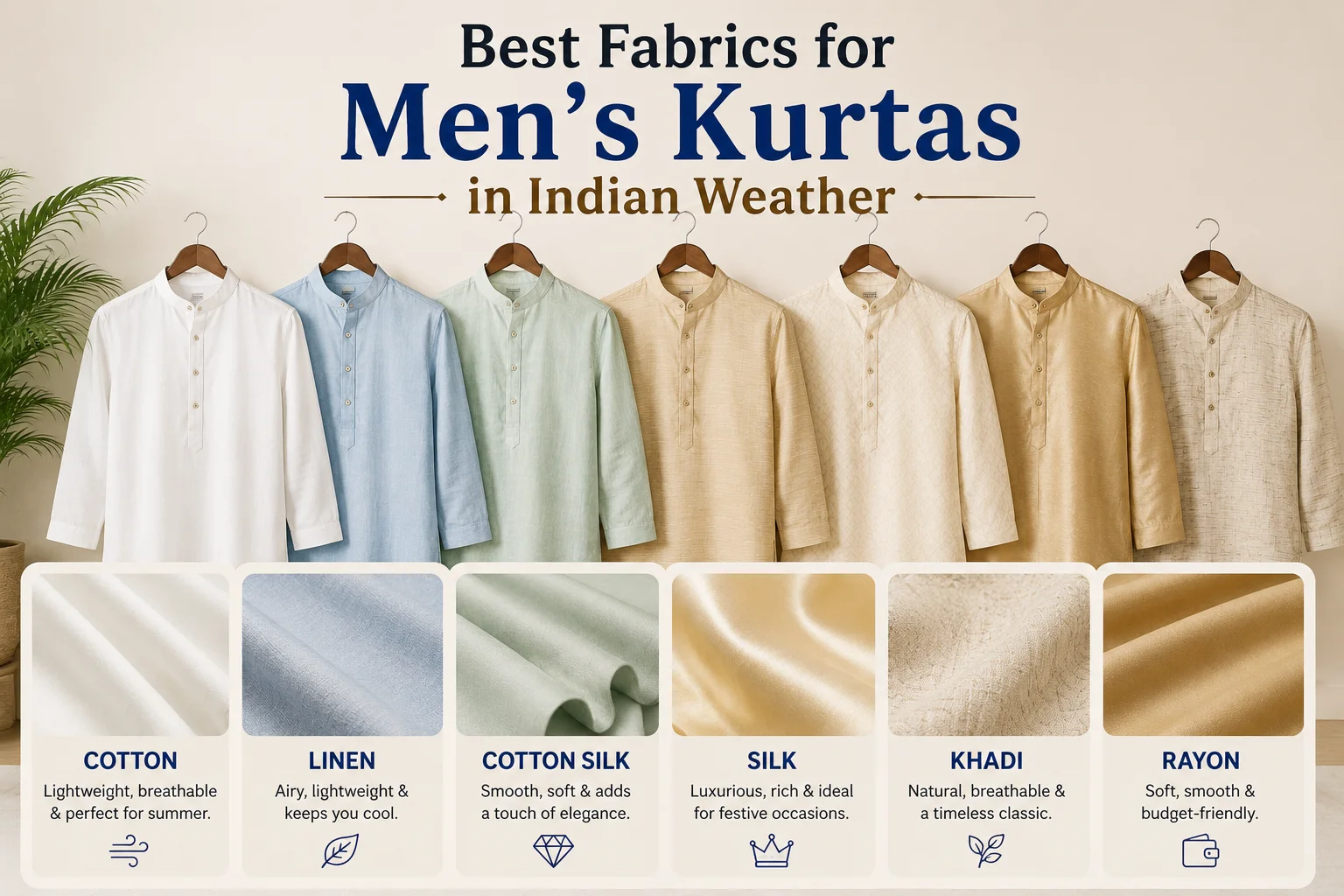
Natural fabrics like cotton, linen, and cotton blends usually offer better comfort than low-quality synthetic materials.
Always feel the fabric before purchasing and check the care label.
5. Not Trying Clothes Before Buying
Even if you know your usual size, trying on clothes is essential.
Every brand has a different fit, and body proportions vary from person to person.
Move around while trying on a garment:
- Raise your arms.
- Sit down.
- Walk around.
- Button the shirt completely.
This helps identify tight spots or fitting issues before you buy.
6. Ignoring Shoulder Fit
The shoulders are one of the hardest areas to alter.
If the shoulder seam extends beyond your shoulder or sits too high, the garment won’t look right.
A properly fitted shoulder creates a clean silhouette and improves the overall appearance of the outfit.
7. Buying Without Considering the Occasion
Not every outfit suits every event.
Many men purchase clothing simply because it looks attractive, without thinking about when they’ll actually wear it.
Ask yourself:
- Is it for work?
- A wedding?
- Daily wear?
- Business meetings?
- Festive occasions?
Buying with a purpose helps you build a practical wardrobe.
8. Chasing Every Fashion Trend
Fashion trends change every season.
Instead of filling your wardrobe with trendy pieces, invest in timeless essentials like:
- Solid shirts
- Tailored trousers
- Navy blazers
- White shirts
- Neutral chinos
Classic clothing remains stylish for years.
9. Forgetting About Alterations
Many ready-made garments can be improved with small adjustments.
Simple alterations like shortening sleeves or adjusting trouser length can significantly enhance the fit.
Never assume that an “almost perfect” garment can’t be made better.
10. Choosing Price Over Quality
Everyone loves a good deal, but the cheapest option isn’t always the best value.
Low-quality clothing may:
- Lose shape after washing.
- Fade quickly.
- Wear out sooner.
- Require frequent replacement.
Investing in quality clothing often saves money over time.
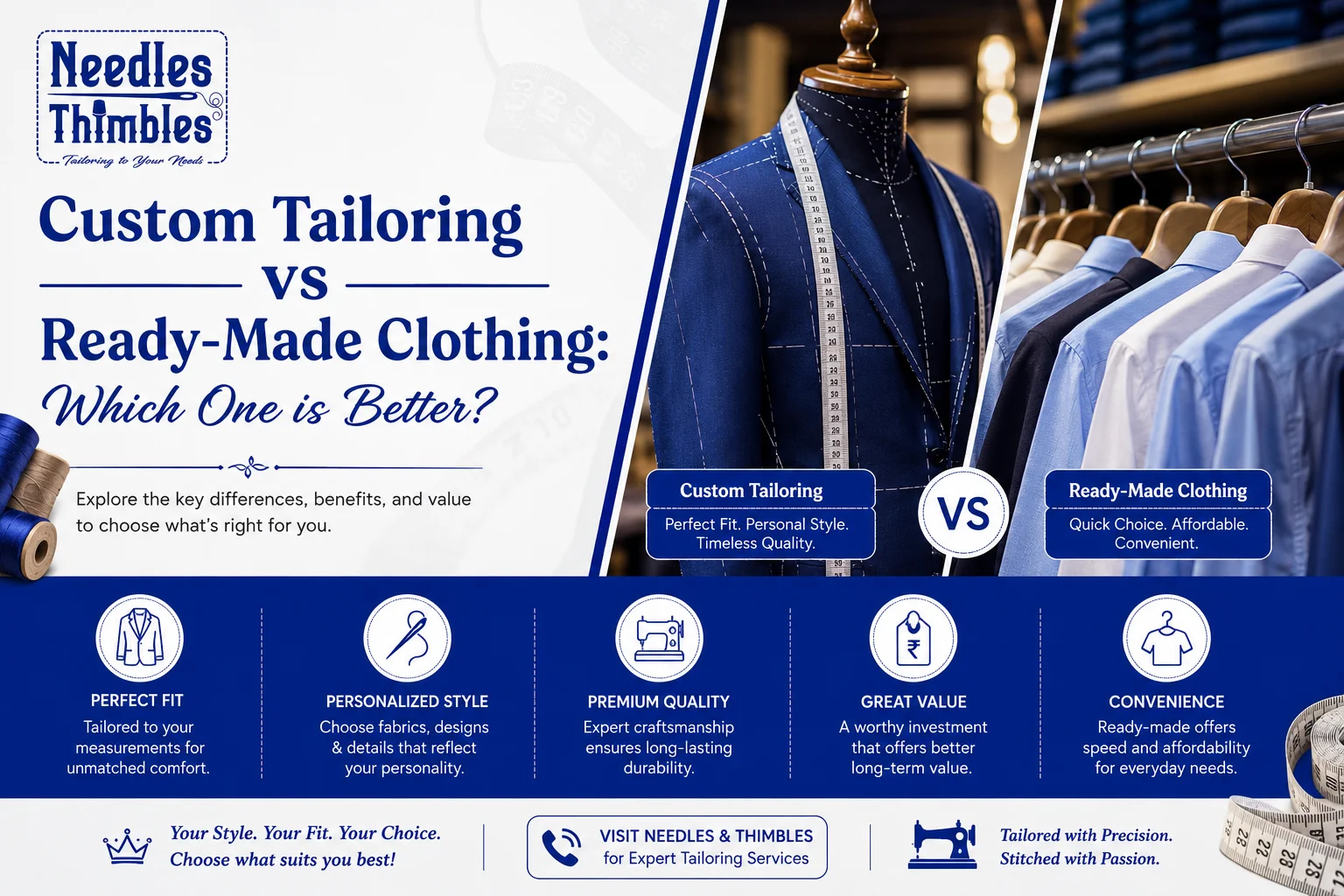
Why Custom Tailoring Is a Better Choice
Ready-made clothing is designed to fit the average body, but very few people have average proportions.
Custom tailoring offers several advantages:
- Perfect fit based on your measurements.
- Freedom to choose fabrics.
- Personalized style options.
- Better comfort.
- Longer-lasting garments.
- A more polished and professional appearance.
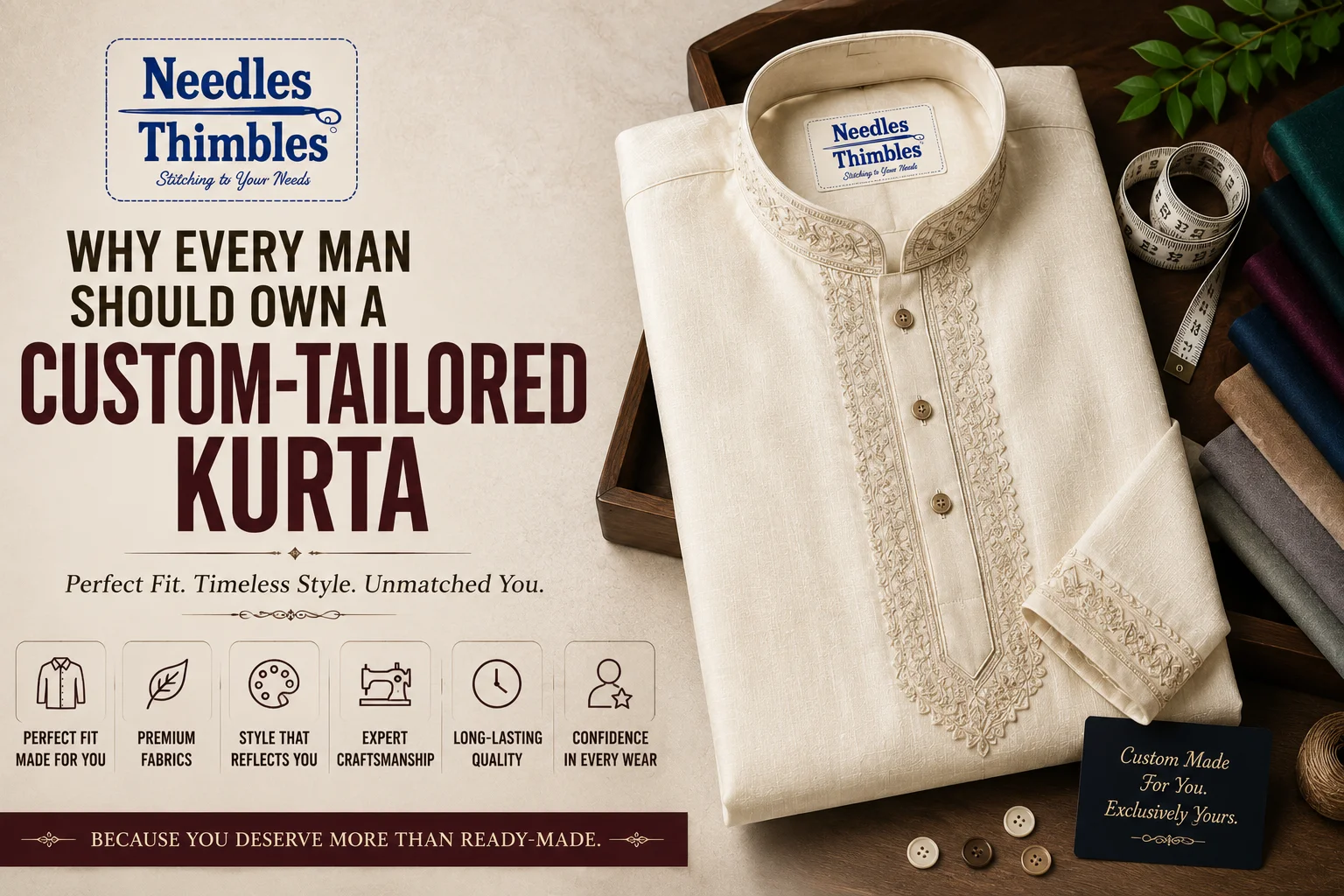
If you frequently struggle to find clothes that fit well, custom tailoring can be a worthwhile investment.
Tips for Smarter Shopping
Before buying your next outfit, remember these simple tips:
- Know your measurements.
- Always try clothes on when possible.
- Prioritize fit over size labels.
- Choose quality fabrics.
- Buy versatile wardrobe essentials.
- Consider the occasion before purchasing.
- Don’t ignore minor alterations.
Frequently Asked Questions
Why do ready-made clothes often fit differently?
Different brands use different sizing standards, fits, and patterns, which means the same labeled size can vary from one brand to another.
Is tailoring ready-made clothes worth it?
Yes. Minor alterations can greatly improve the fit and overall appearance of ready-made garments.
How do I know if a shirt fits properly?
The shoulders should align naturally, sleeves should end at your wrist, and the shirt should allow comfortable movement without pulling around the chest or buttons.
Should I buy clothes based on trends?
It’s better to build your wardrobe around timeless, well-fitting essentials and add trendy pieces occasionally.
Final Thoughts
Buying ready-made clothes doesn’t have to be a gamble. By paying attention to fit, fabric quality, measurements, and overall comfort, you can avoid common shopping mistakes and build a wardrobe you’ll actually enjoy wearing.
If you want clothing that fits perfectly and reflects your personal style, custom tailoring offers a level of comfort, confidence, and craftsmanship that ready-made garments often can’t match.