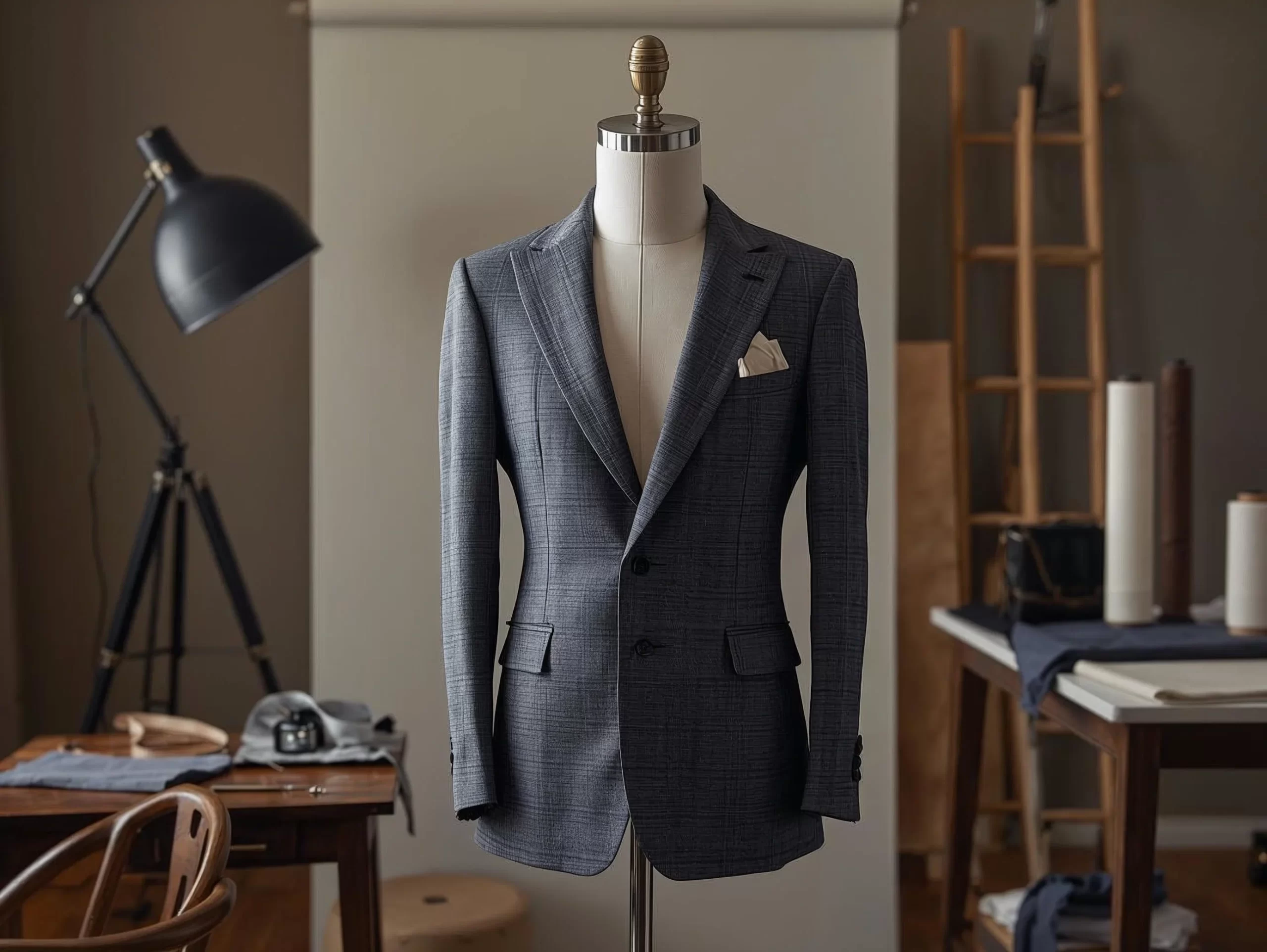

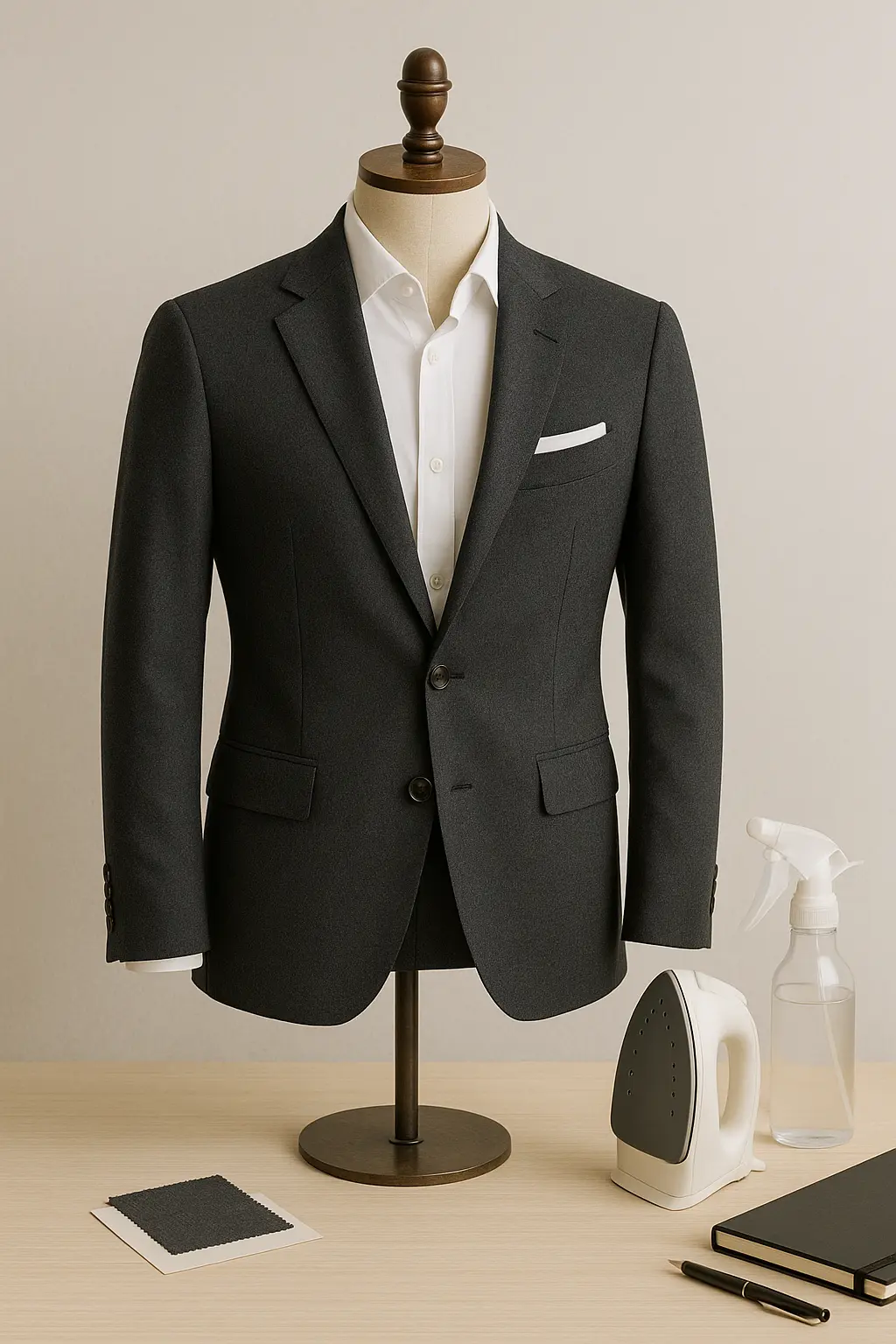
Understanding the fabric required for men’s suit stitching is one of the most important steps before getting a suit tailored. The amount of fabric needed depends on several factors, including body measurements, suit style, fabric width, and whether the suit includes additional elements like a waistcoat or lining.
This guide explains how much fabric is required for a men’s suit, helping you plan your tailoring process with clarity and confidence.
Why Fabric Calculation Matters for a Men’s Suit
Knowing the correct fabric quantity ensures:
-
Proper fit without shortages
-
Minimal fabric wastage
-
Accurate budgeting
-
Smooth tailoring without delays
Purchasing insufficient fabric can compromise the design, while excess fabric often leads to unnecessary expense. Understanding fabric requirements helps achieve a balanced and efficient tailoring outcome.
Standard Fabric Required for Men’s Suit (2-Piece Suit)
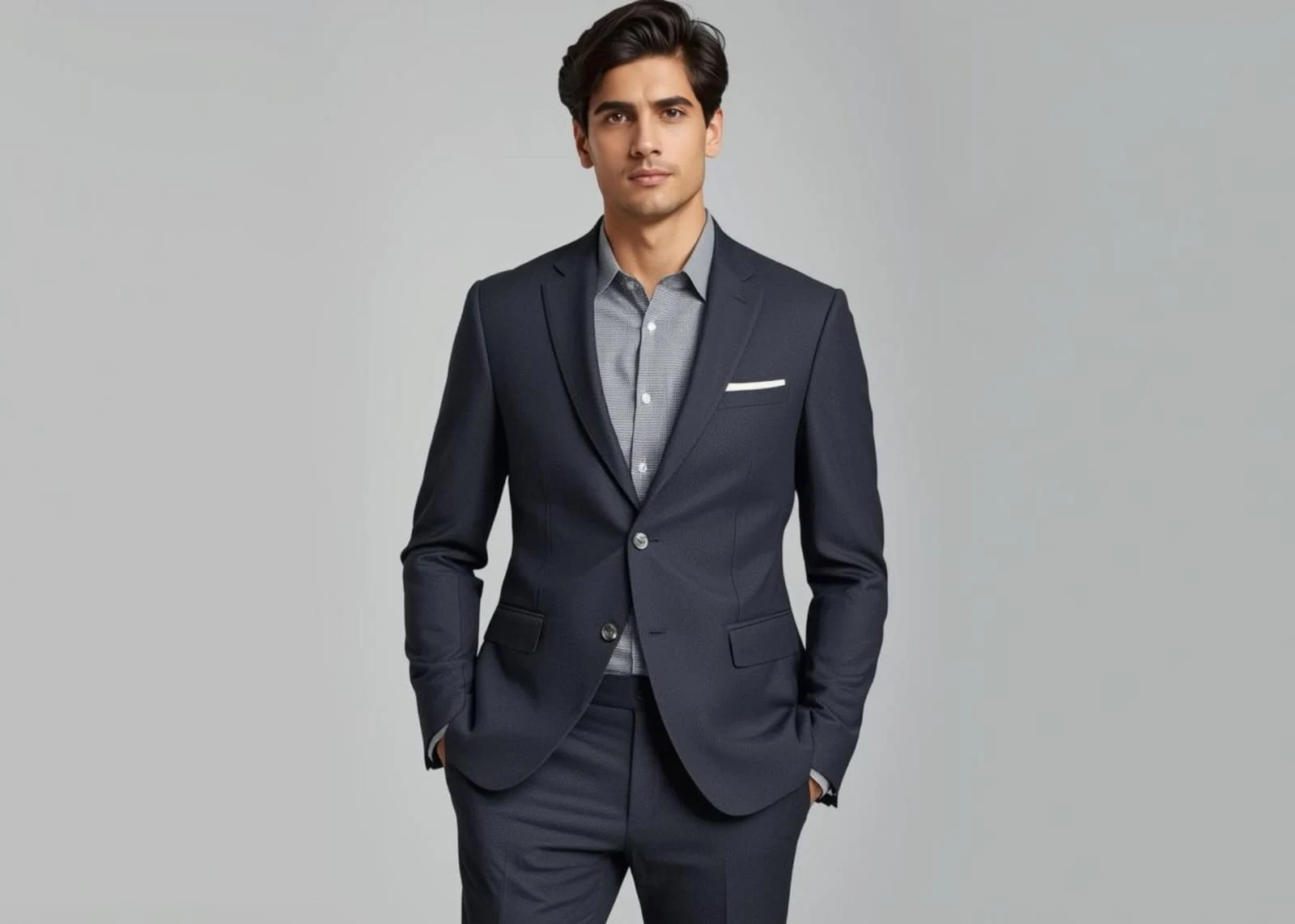
For a standard two-piece men’s suit (jacket + trousers), the fabric required usually falls within the following range:
-
Average height (5’6” – 5’10”): 3.5 to 4 metres
-
Taller builds (above 5’10”): 4 to 4.5 metres
-
Slim fit suits: Closer to 3.5 metres
-
Regular or relaxed fit: 4 metres or more
These estimates assume fabric widths of 58–60 inches, which are commonly used for suit fabrics.
Fabric Required for Men’s Suit with Waistcoat (3-Piece Suit)
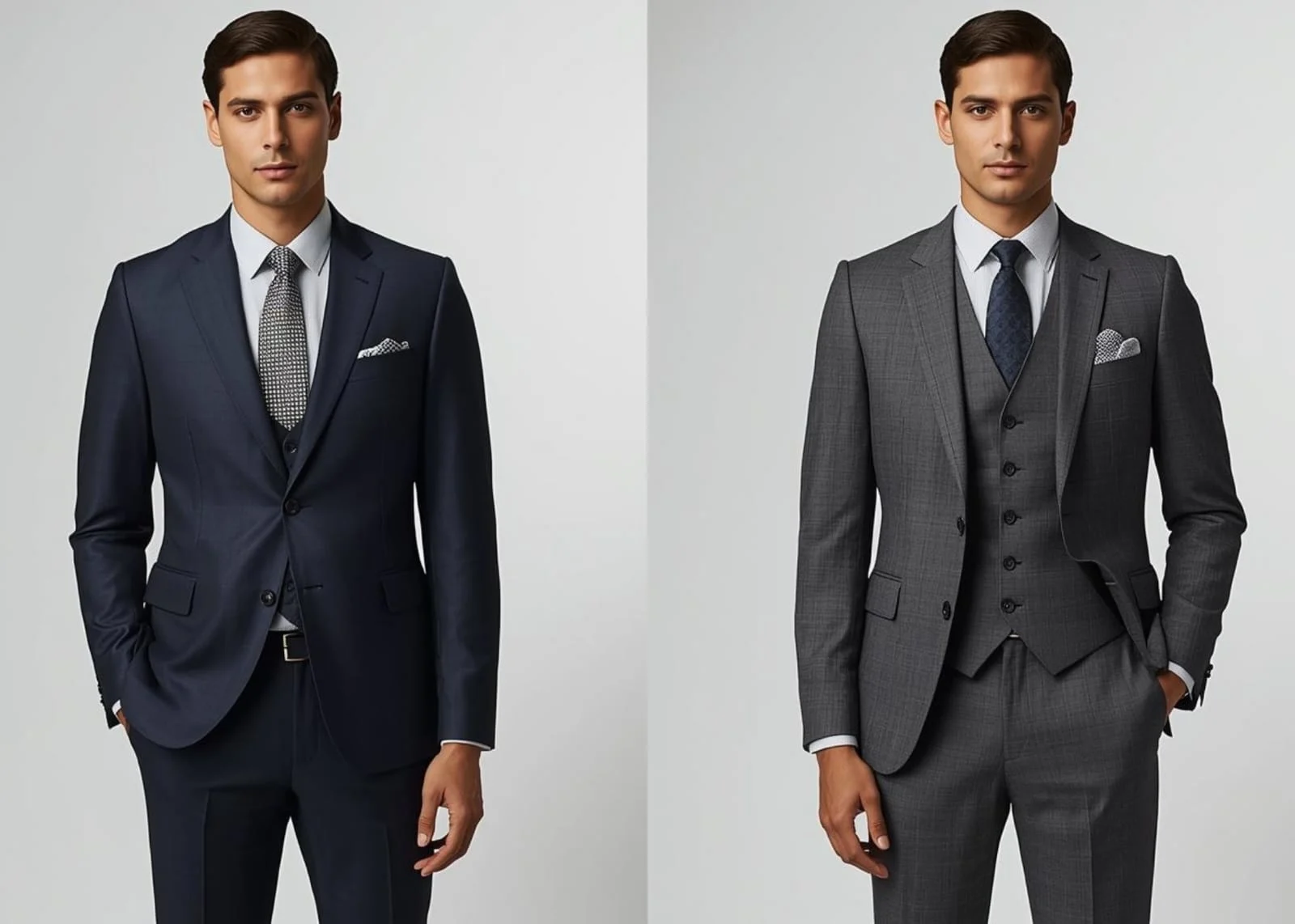
A three-piece suit requires additional fabric for the waistcoat:
-
2-piece suit: 3.5–4.5 metres
-
Waistcoat add-on: 0.75–1 metre
-
Total fabric required: 4.5–5.5 metres
The exact amount depends on waistcoat style, back fabric choice, and lining preferences.
How Body Measurements Affect Fabric Requirement
Individual measurements play a major role in determining the fabric required for men’s suit stitching. Factors that influence fabric usage include:
-
Height and shoulder width
-
Chest and waist size
-
Jacket length
-
Trouser rise and break
-
Pleats or cuffs in trousers
Tailors often request extra fabric for broader frames or longer jacket cuts to maintain proportional balance.
Impact of Fabric Width on Suit Fabric Quantity
Fabric width significantly affects how much material is needed:
-
58–60 inch width: Standard requirement (recommended)
-
44–46 inch width: Requires more fabric due to limited layout
Narrow-width fabrics may increase total requirement by 0.5–1 metre.
Does Suit Style Change Fabric Requirements?
Yes. Certain design elements can increase fabric usage:
-
Double-breasted jackets
-
Longer jacket lengths
-
Pleated trousers
-
Contrast linings
-
Pattern matching (checks, stripes)
Patterned fabrics often require extra material to align designs correctly during stitching.
Fabric Required for Men’s Suit by Season
Choosing the right material is just as important as knowing the fabric quantity—this guide on best fabrics for tailored suits explains how fabric type affects drape, comfort, and overall suit performance.
Seasonal fabrics also influence quantity:
-
Summer suits (linen, cotton blends): Similar quantity but lighter weight
-
Winter suits (wool, flannel): Same metre requirement, heavier fabric
-
All-season wool: Most efficient and versatile choice
While the metre requirement remains similar, weight and drape differ across seasons.
Wool remains one of the most commonly used suit materials due to its adaptability and insulation, and understanding wool fabric properties helps in estimating fabric performance across seasons.
Needles’ Tip : Always Keep Extra Fabric
Professional tailors usually recommend purchasing 0.5 metres extra fabric to account for:
-
Design adjustments
-
Alterations
-
Fabric shrinkage
-
Future modifications
This buffer ensures flexibility without affecting the final fit.
Conclusion
Understanding the fabric required for men’s suit tailoring helps you plan better, avoid last-minute issues, and achieve a well-fitted garment. While standard estimates offer guidance, final fabric requirements depend on individual measurements, suit design, and fabric width.
Consulting with an experienced tailor before purchasing fabric ensures accuracy and results in a suit that looks refined, balanced, and tailored to your personal style.